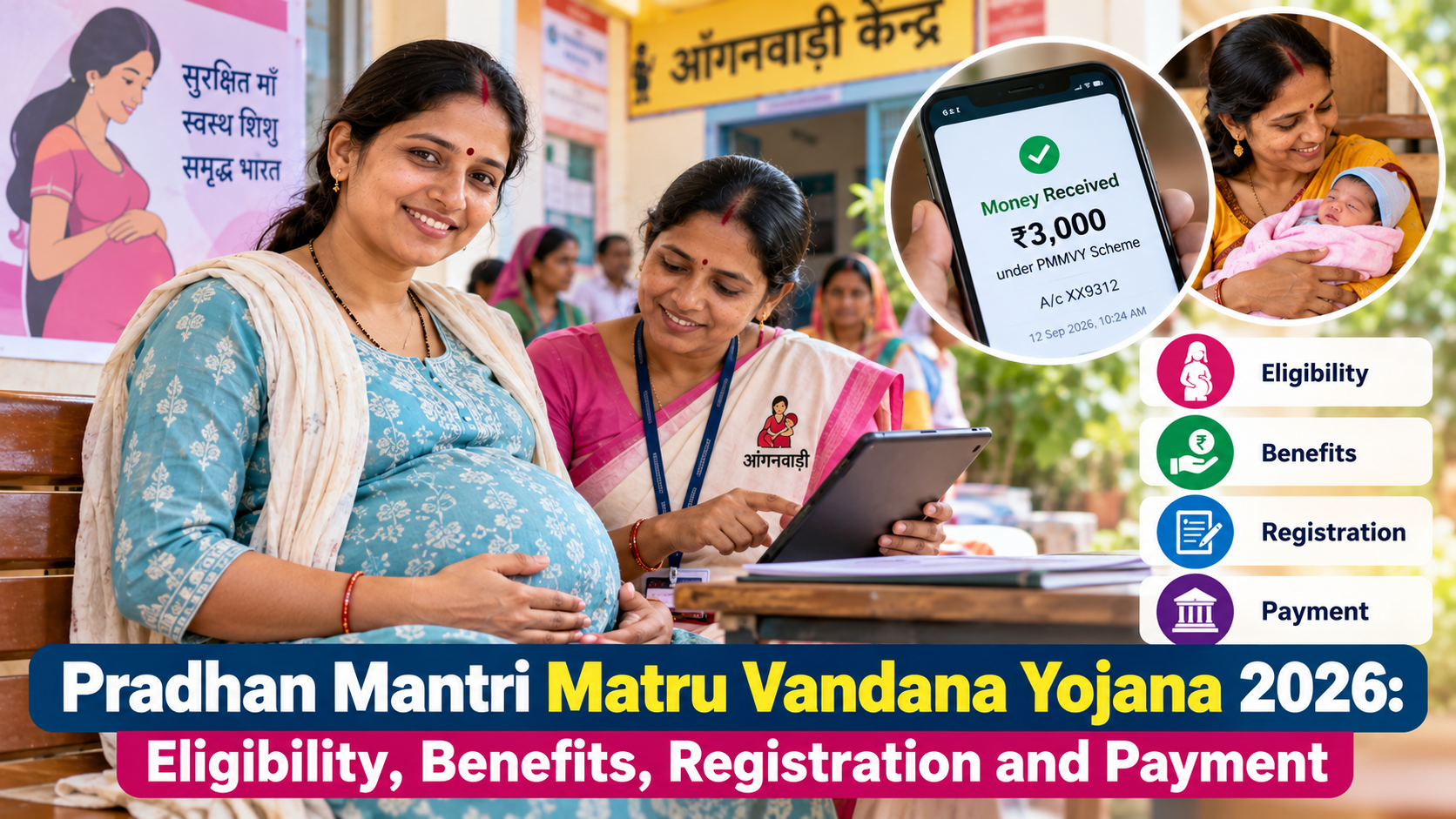
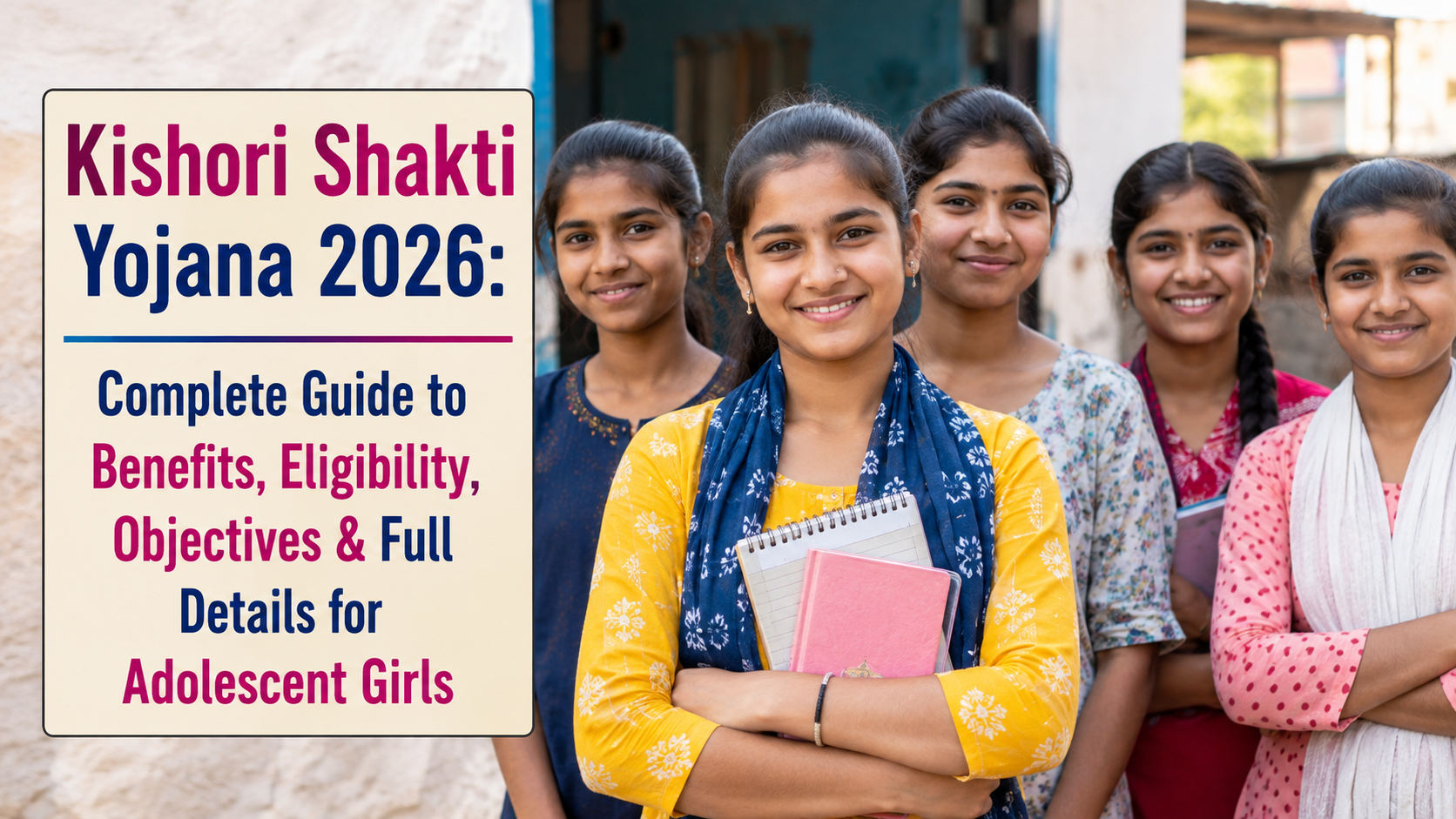
Kishori Shakti Yojana 2026: Kishori Shakti Yojana 2026 is an important welfare scheme launched by the Government of India to improve the health, nutrition, education, and life skills of adolescent girls. The scheme focuses on girls between the ages of 11 and 18 years, especially those from economically weaker families. It aims to help young girls become healthy, educated, confident, and capable of making informed decisions about their future.
Many people search online for what is Kishori Shakti Yojana, Kishori Shakti Yojana benefits, Kishori Shakti Yojana launched date, Kishori Shakti Yojana launched in which year, and Kishori Shakti Yojana PDF. This detailed guide explains everything of this scheme.
Kishori Shakti Yojana 2026 Overview
| Particular | Details |
|---|---|
| Scheme Name | Kishori Shakti Yojana (KSY) |
| Launched By | Government of India |
| Ministry | Ministry of Women and Child Development |
| Launched In | 2000 |
| Implemented Through | Integrated Child Development Services (ICDS) |
| Target Group | Adolescent girls aged 11–18 years |
| Main Objective | Improve nutrition, health, education, and life skills |
| Type of Scheme | Women and child development welfare scheme |
| Official Documents | Available through government notifications and ICDS guidelines |
What is Kishori Shakti Yojana?
Kishori Shakti Yojana is a government scheme designed to improve the overall development of adolescent girls in India. The word “Kishori” means adolescent girl, and “Shakti” means strength or empowerment. The scheme aims to provide nutrition, health education, vocational training, and awareness about hygiene and reproductive health to girls who are often excluded from educational and health opportunities.
The scheme was introduced as part of the Integrated Child Development Services (ICDS) programme. Through Anganwadi Centres, girls receive nutritional support, health check-ups, counseling, and skill-development opportunities. The programme focuses particularly on girls from low-income households who may be at risk of malnutrition, school dropout, or early marriage.
Kishori Shakti Yojana Launched in Which Year?
Kishori Shakti Yojana was launched in 2000 as a component of the Integrated Child Development Services (ICDS) programme. It was created to strengthen the health and nutritional status of adolescent girls and prepare them for adulthood through education, awareness, and life-skill development.
Objectives of Kishori Shakti Yojana
The main objectives of Kishori Shakti Yojana are:
- Improve the nutritional status of adolescent girls.
- Promote awareness about health, hygiene, and sanitation.
- Reduce anemia and malnutrition among girls.
- Encourage school attendance and continuation of education.
- Delay early marriage and early pregnancy.
- Develop life skills and confidence.
- Provide vocational and income-generating skill training
These objectives are designed to improve both the present well-being and future opportunities of adolescent girls.
Kishori Shakti Yojana Benefits
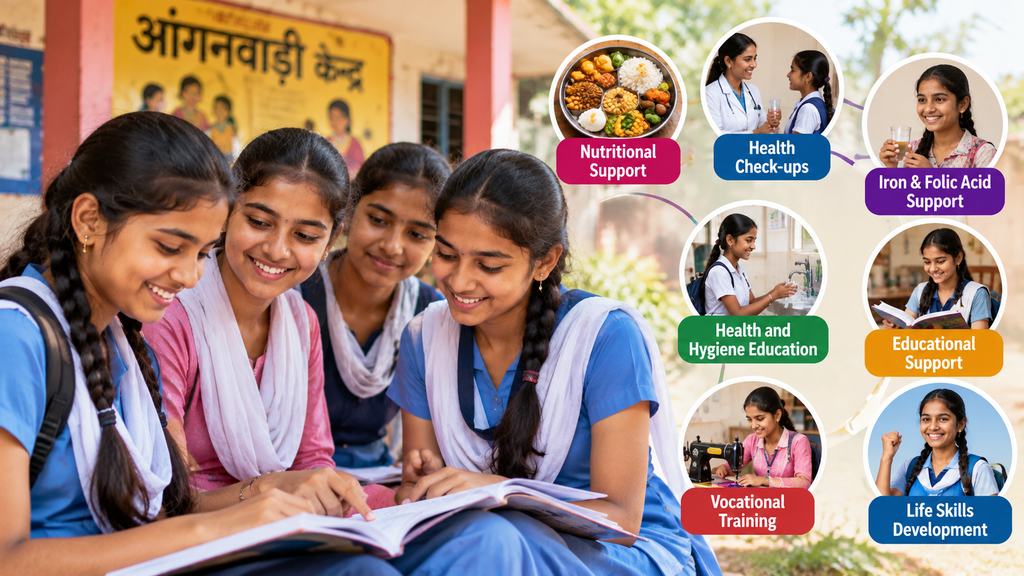
The Kishori Shakti Yojana benefits cover health, education, nutrition, and personal development. The scheme provides a combination of support services that help girls improve their quality of life.
Nutritional Support
Eligible girls receive supplementary nutrition through Anganwadi Centres, helping reduce malnutrition and improve physical growth.
Health Check-ups
Regular health examinations help detect anemia, weakness, and other health issues early.
Iron and Folic Acid Awareness
The scheme promotes awareness about anemia prevention and healthy eating habits.
Health and Hygiene Education
Girls learn about menstrual hygiene, personal cleanliness, and disease prevention.
Life Skills Education
Training includes communication, decision-making, confidence building, and problem-solving skills.
Vocational Training
In some areas, girls are trained in skills like tailoring, handicrafts, and small-scale work.
Educational Awareness
The scheme encourages girls to continue schooling and reduce dropout rates.
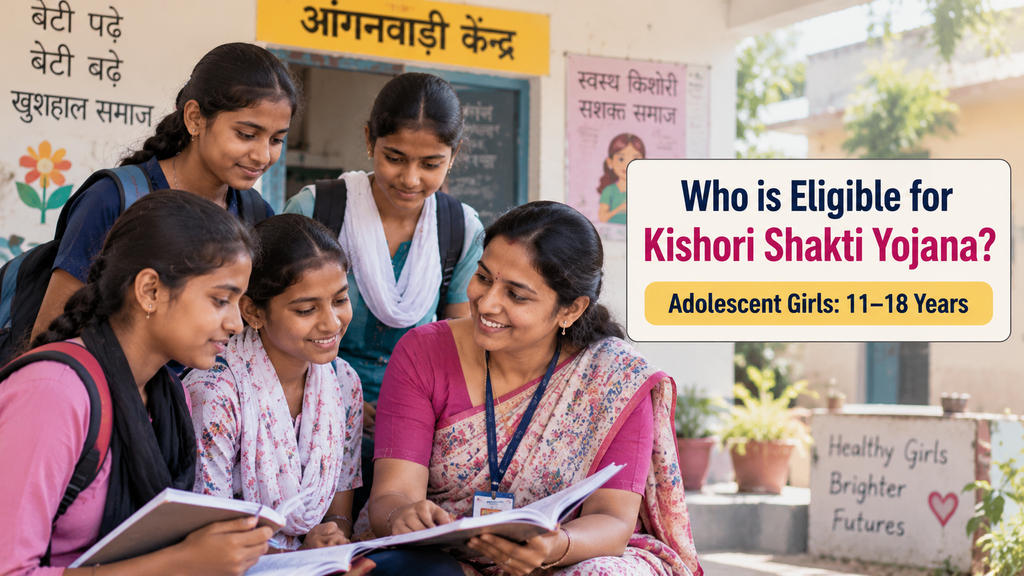
Who is Eligible for Kishori Shakti Yojana?
- Adolescent girls aged 11–18 years
- Girls from economically weaker families
- Residents of ICDS/Anganwadi-covered areas
- Both school-going and out-of-school girls (based on local rules)
Age Groups Covered
11–14 Years
Focus on nutrition, health awareness, and basic life skills.
15–18 Years
Focus on vocational training, counseling, and higher-level awareness.
Services Provided
- Supplementary nutrition
- Health education
- Counseling support
- Skill development training
- Community awareness programs
How Kishori Shakti Yojana is Implemented
- Identification of eligible girls
- Registration at Anganwadi Centre
- Health and nutrition support
- Training and awareness sessions
- Monitoring and follow-up
Role of Anganwadi Centres
Anganwadi Centres are the main implementation units. They provide nutrition, maintain records, and conduct awareness programs.
How to Apply
- Visit nearest Anganwadi Centre
- Contact Anganwadi worker
- Submit required documents
- Complete registration
Documents Required
- Birth certificate or age proof
- Aadhaar card (if available)
- Address proof
- Passport-size photos
- Income certificate (if required)
Kishori Shakti Yojana PDF
Official PDF details are available on:
- Ministry of Women and Child Development website
- ICDS official documents
- State government portals
Difference Between Kishori Shakti Yojana and SABLA
| Feature | Kishori Shakti Yojana | SABLA Scheme |
|---|---|---|
| Year | 2000 | 2010 |
| Focus | Nutrition & basic development | Nutrition + vocational training |
| Coverage | Limited ICDS areas | Expanded districts |
Importance of the Scheme
- Improves girls’ health
- Reduces child marriage
- Supports education
- Promotes empowerment
- Builds stronger society
FAQs
What is Kishori Shakti Yojana?
A government scheme for adolescent girls focusing on health, nutrition, and education.
What are the benefits?
Nutrition, health care, education support, and skill training.
Conclusion
Kishori Shakti Yojana is a powerful initiative that supports the overall development of adolescent girls in India. Launched in 2000, it plays a key role in improving health, education, and empowerment through the ICDS system.