
Himachal ₹1,500 Monthly Women Support Scheme 2026 :The Himachal Pradesh government’s latest decision on women’s financial assistance has brought a new social welfare initiative into focus. On November 13, 2026, the state Cabinet approved the Mukhya Mantri Apna Parivar Sukhi Parivar Yojna, under which eligible women aged 18 to 59 years will receive ₹1,500 every month.
The announcement is particularly important for women from economically weaker households who need regular financial support for everyday expenses. The scheme is also linked to household-level benefits, including 300 units of free electricity and an annual health insurance cover of ₹10 lakh, according to reports quoting the state government’s announcement.
Approximately 3.50 lakh women have been identified as potential beneficiaries through a government survey and the subsequent approval process involving Gram Sabhas. The scheme is expected to be rolled out in December 2026, although the detailed implementation guidelines and payment schedule remain important pending information.
Himachal ₹1,500 Women Scheme 2026: Key Highlights
The following table summarises the major details reported about the scheme.
| Particular | Details |
|---|---|
| Scheme Name | Mukhya Mantri Apna Parivar Sukhi Parivar Yojna |
| State | Himachal Pradesh |
| Approved On | 13 November 2026 |
| Beneficiaries | Eligible women |
| Age Limit | 18 to 59 years |
| Monthly Assistance | ₹1,500 |
| Annual Assistance | ₹18,000 |
| Expected Beneficiaries | Approximately 3.50 lakh women |
| Family Income Limit | ₹75,000 annually |
| Electricity Benefit | 300 units per month |
| Health Insurance | ₹10 lakh annually |
| Implementing Government | Himachal Pradesh Government |
| Chief Minister | Sukhvinder Singh Sukhu |
| Expected Rollout | December 2026 |
What Is Mukhya Mantri Apna Parivar Sukhi Parivar Yojna?
Mukhya Mantri Apna Parivar Sukhi Parivar Yojna is a Himachal Pradesh government welfare initiative designed to provide financial assistance to eligible women from economically weaker families.The scheme was approved during a Cabinet meeting chaired by Chief Minister Sukhvinder Singh Sukhu in Shimla on November 13, 2026. Its central provision is a monthly payment of ₹1,500 to eligible women between 18 and 59 years of age.
The initiative is connected with the Congress government’s earlier commitment to provide monthly financial assistance to women. Industries Minister Harshwardhan Chauhan stated that the scheme would fulfil the government’s electoral promise of providing ₹1,500 per month.Unlike a universal payment programme covering every adult woman, the newly approved initiative is directed towards identified economically weaker families.
This distinction is important because the government has established an income ceiling and excluded certain categories from the benefit.The government has reportedly completed a beneficiary identification exercise, covering approximately 3.50 lakh women. The respective Gram Sabhas have also been involved in approving the identified beneficiaries.
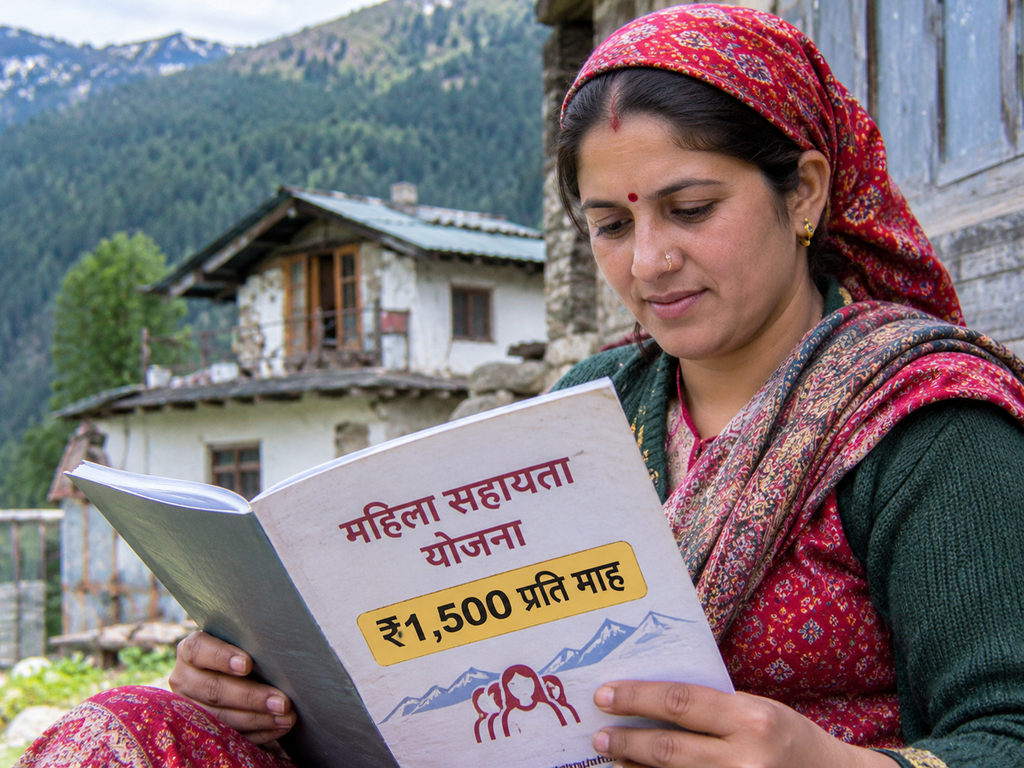
₹1,500 Monthly Financial Assistance: How Much Will Women Receive?
The most significant feature of the scheme is the direct monthly financial assistance of ₹1,500.Eligible women will receive ₹1,500 every month, equivalent to ₹18,000 over a full year. Regular assistance can help families manage recurring household expenses, including groceries, transportation, children’s educational needs and other essential purchases.
| Payment Period | Financial Assistance |
|---|---|
| Monthly | ₹1,500 |
| Three Months | ₹4,500 |
| Six Months | ₹9,000 |
| Twelve Months | ₹18,000 |
For a household with limited and irregular income, a predictable monthly transfer can provide some financial stability.However, the government has not yet published a complete payment calendar or confirmed the precise date on which the first instalment will reach beneficiaries’ bank accounts.The payment method and bank-account verification requirements should therefore be confirmed through the final government guidelines.
Eligibility Criteria for Himachal ₹1,500 Scheme 2026
Eligibility is one of the most important aspects of the new initiative. Although the Cabinet has approved the scheme and officials have reported beneficiary identification, applicants should distinguish between the conditions already reported and additional requirements that may appear in the final guidelines.
1. Age Requirement
Women must fall within the age group of 18 to 59 years to qualify under the newly approved scheme.Women above 59 years are excluded from this particular programme because the state government has already enhanced their monthly assistance under the existing old-age-related support arrangements.
2. Family Income Limit
According to the reported announcement, the annual family income ceiling is ₹75,000.This condition indicates that the scheme is primarily intended for households facing economic difficulties. Families should check how the government defines and verifies annual household income once the detailed guidelines are released.
3. Government Employees and Pensioners
Families with government employees or pensioners have been reported as excluded from the scheme.This restriction is intended to direct assistance towards economically weaker households rather than families already receiving government employment-related or pension income.
4. Beneficiary Identification
The state government has conducted surveys in different phases to identify eligible households.The identified beneficiaries were subsequently considered through the respective Gram Sabhas. Therefore, beneficiary selection is not necessarily dependent on a newly submitted online application.
Women should verify whether their household has been included in the approved beneficiary records before assuming that the payment will begin automatically.
Who Is Not Eligible for the Scheme?
Based on the reported Cabinet decision, the following categories are excluded:
| Category | Reported Eligibility Position |
|---|---|
| Women below 18 years | Not eligible |
| Women aged above 59 years | Not eligible under this scheme |
| Families with government employees | Excluded |
| Families with pensioners | Excluded |
| Families exceeding the ₹75,000 annual income ceiling | Not eligible |
These are the reported restrictions, not a substitute for the final eligibility notification.
300 Units of Free Electricity: An Additional Household Benefit
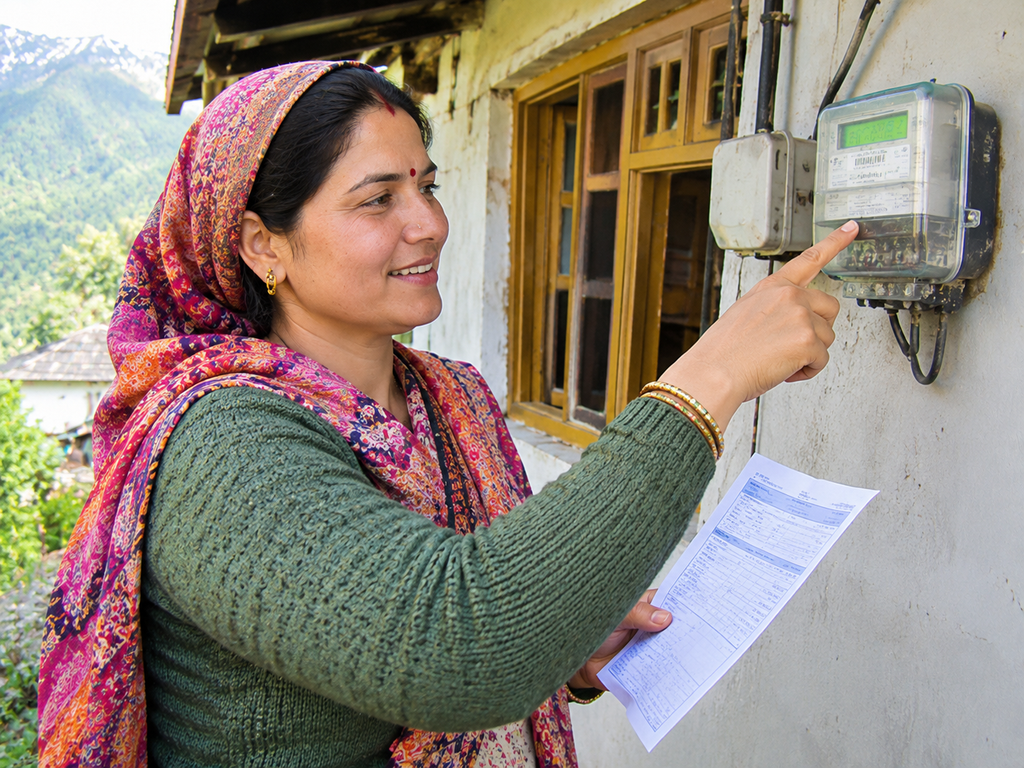
The financial assistance is not the only benefit associated with Mukhya Mantri Apna Parivar Sukhi Parivar Yojna.The government has also announced 300 units of free electricity per month for eligible beneficiary families.
Electricity expenses form a regular part of household budgets, particularly during periods when families depend on electrical appliances for cooking-related activities, lighting, heating and other domestic requirements.A monthly electricity benefit can reduce some of this financial pressure.
An important distinction is that the electricity benefit is linked to the eligible family, whereas the ₹1,500 financial assistance is intended for eligible women. Reports indicate that the scheme provides electricity support at the family level rather than offering 300 units separately to every woman in the household.The detailed billing mechanism, meter-related conditions and implementation arrangements have not yet been fully explained in the available announcement.
₹10 Lakh Annual Health Insurance Cover
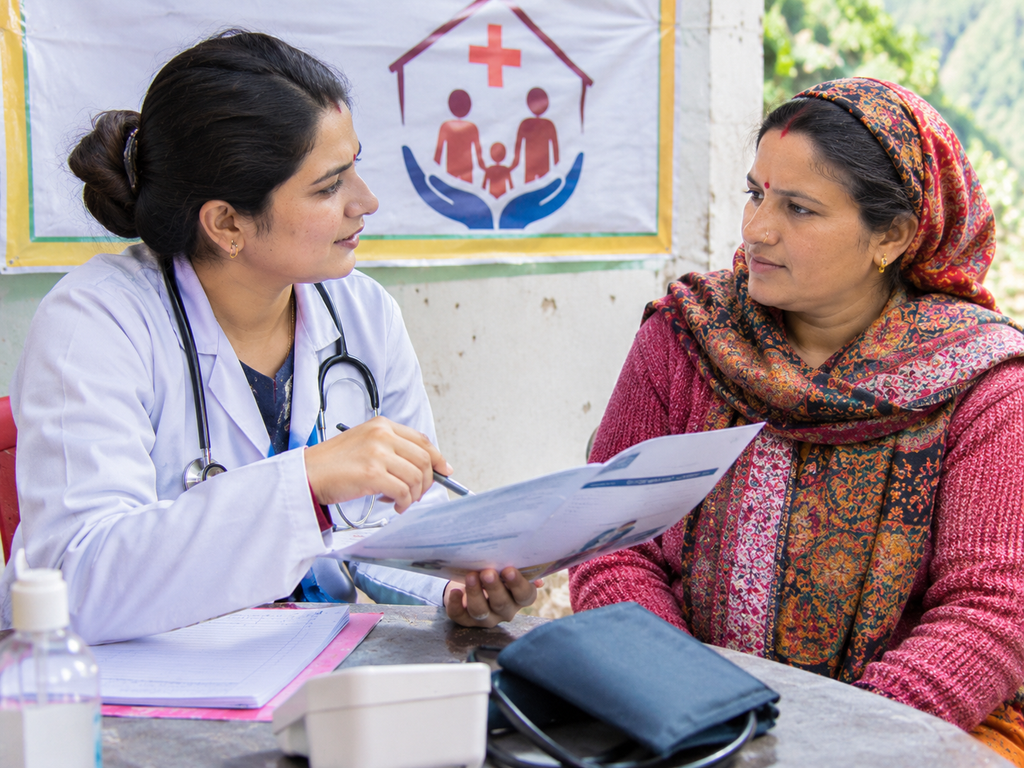
Another significant provision reported alongside the scheme is annual health insurance coverage of ₹10 lakh for eligible beneficiary families.According to Industries Minister Harshwardhan Chauhan, eligible families will not have to pay a premium to access this insurance cover.
Health-related expenses can place considerable pressure on households with limited financial resources. Insurance support can help reduce the burden of eligible medical expenses, subject to the policy’s coverage conditions.However, families should not assume that every medical treatment or hospital expense will automatically be covered.
The government will need to clarify the insurance provider, hospital network, covered treatments, claim procedures, exclusions and the method for linking families to the insurance facility.The ₹10 lakh figure should therefore be understood as the announced annual insurance coverage, not as an unconditional cash payment to every family.
How Were the 3.50 Lakh Beneficiaries Selected?
The beneficiary identification process is an important part of this announcement because the government has already reported identifying approximately 3.50 lakh eligible women.According to the available reports, the process involved surveys conducted in different phases across Himachal Pradesh.
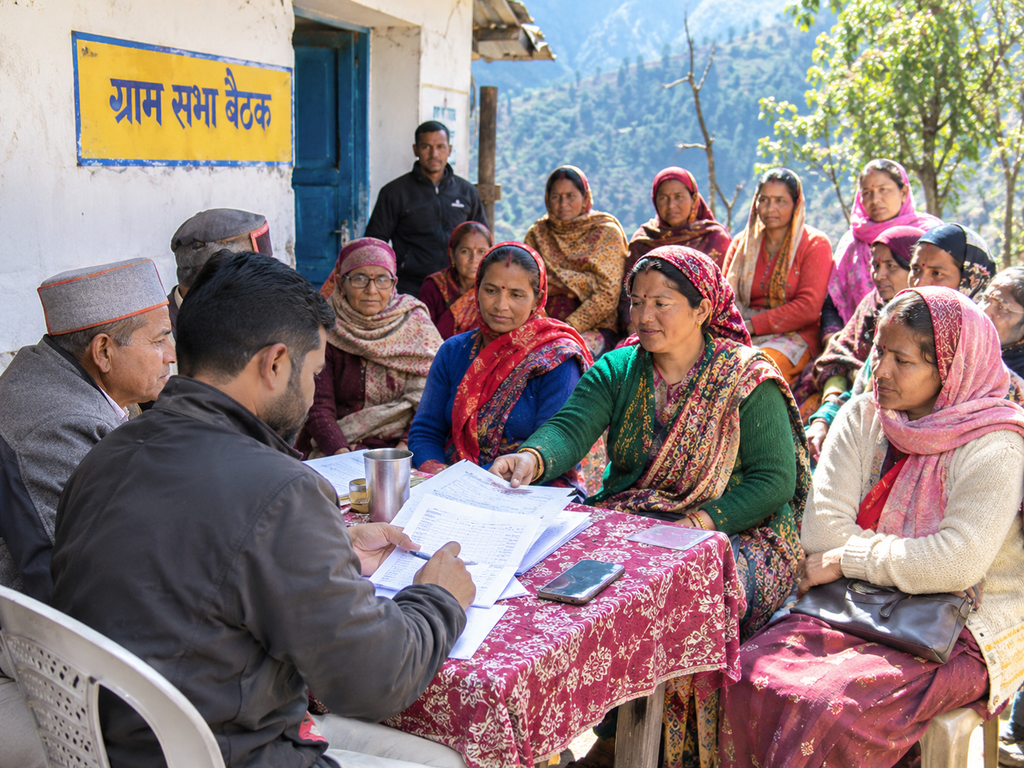
The government initially proposed identifying one lakh of the poorest families for the programme. Following the survey exercise, the beneficiary identification process was expanded, with approximately 3.50 lakh women identified.The respective Gram Sabhas were involved in approving the identified beneficiaries. This local-level verification is relevant because it allows beneficiary information to be considered within the communities where the families reside.
Why Is Gram Sabha Verification Important?
Gram Sabha participation can help improve the identification of eligible households, particularly in rural areas where income and family circumstances may not always be reflected accurately in centrally maintained records.It also provides a local administrative mechanism through which beneficiary information can be examined.
For women, the practical question is whether their names appear in the approved beneficiary records. A woman meeting the age and income conditions should not automatically assume that she has been selected without checking the government’s final records.
How to Apply for Himachal ₹1,500 Women Scheme 2026?
The Himachal Pradesh Cabinet has approved the scheme, and the government has already undertaken a beneficiary identification exercise.However, a complete public application procedure has not yet been confirmed in the available announcement.
Therefore, an online registration link, application form or specific portal should not be treated as officially available without a government notification.
Women interested in receiving assistance should follow these steps:
- Check the latest announcements issued by the Himachal Pradesh Government.
- Contact the local Gram Panchayat to enquire about the beneficiary identification process.
- Ask whether the household has been included in the approved beneficiary records.
- Keep relevant identity, residence and income documents available for verification if requested.
- Follow the final instructions issued by the concerned government department.
Will Women Need to Submit a Fresh Application?
This is an important question that remains unanswered.Since approximately 3.50 lakh women have already been identified through surveys and Gram Sabha approval, the government may use these records for the initial implementation.
However, it has not yet been confirmed whether beneficiaries will need to complete additional registration, submit documents or undergo another verification process before payments begin.Women should wait for the official instructions rather than relying on unofficial application links.
When Will the First ₹1,500 Payment Be Released?
The Himachal Pradesh Cabinet gave its approval to the scheme on November 13, 2026.According to The Tribune’s report, the programme is likely to be rolled out in December 2026, coinciding with the Congress government’s completion of four years in office.
However, an expected launch period does not necessarily mean that every beneficiary will receive the first payment during December.The government still needs to communicate the operational arrangements, including payment dates, beneficiary confirmation and the mechanism for transferring financial assistance.As of November 14, 2026, a confirmed first-instalment date has not been announced in the sources reviewed.
How Will Women Check Their Beneficiary Status?
Women who want to know whether they have been selected should follow official government communications.At present, a dedicated online beneficiary-status facility for this newly approved scheme has not been confirmed.
The following approach can help women obtain reliable information:
Through the Gram Panchayat: Contact the local Panchayat office and enquire about the survey and approved beneficiary records.
Through the concerned government department: Seek clarification regarding the scheme’s implementation and beneficiary verification process.
Through official state announcements: Monitor the Himachal Pradesh Government’s official website and relevant departmental notifications for the publication of beneficiary lists or application instructions.
Once the government introduces an official online facility, women will be able to follow the published procedure for checking their status.
Difference Between the New Scheme and Existing Women’s Assistance
There is an important distinction between the newly approved Mukhya Mantri Apna Parivar Sukhi Parivar Yojna and the financial assistance already provided to certain women in Himachal Pradesh.The government has previously provided ₹1,500 monthly assistance to women in some tribal and remote regions, including Pangi and Dodra Kwar.
Additionally, the state has enhanced monthly financial assistance for women above 59 years from ₹1,050 to ₹1,500.The newly approved scheme focuses on eligible women aged 18 to 59 years from economically weaker families.
| Particular | New Scheme |
|---|---|
| Scheme Name | Mukhya Mantri Apna Parivar Sukhi Parivar Yojna |
| Age Group | 18–59 years |
| Monthly Assistance | ₹1,500 |
| Income Ceiling | ₹75,000 annually |
| Beneficiary Identification | Government survey and Gram Sabha approval |
| Additional Benefits | Free electricity and reported health insurance |
This distinction matters because the ₹1,500 benefit is not an entirely new concept in the state. The November decision expands the government’s financial assistance framework to another identified group of women.
What Does the Scheme Mean for Himachal Pradesh’s Economy?
The scheme has implications beyond the immediate transfer of money to beneficiary households.At ₹1,500 per month, the annual assistance amounts to ₹18,000 for each beneficiary. If approximately 3.50 lakh women receive the full twelve months of assistance, the annual cash-transfer requirement would be approximately ₹630 crore.
Calculation: 3,50,000 × ₹1,500 × 12 = ₹630 crore. This is an illustrative annual estimate, not a confirmed government expenditure figure.The financial impact needs to be considered alongside the electricity subsidy and health insurance commitments.
For rural and economically weaker households, regular financial support can improve their ability to manage essential expenses. It may also increase women’s participation in household financial decisions.At the same time, the state must ensure that the programme has a sustainable funding arrangement. Social assistance schemes require predictable budget allocations, accurate beneficiary records and effective payment monitoring.
The number of women identified is therefore only one measure of the programme’s progress. The more important test will be whether eligible households receive the promised benefits regularly and without unnecessary administrative difficulties.
Also Check:
- Himachal Pradesh Mukhyamantri Roshni Yojana 2026: Eligibility, Free Electricity Connection & Application Details
- UP Mukhyamantri Krishak Samriddhi Yojana 2026: Eligibility, Loan, Interest Rate & Online Apply
Competitive Advantage: Five Important Things Women Should Understand
Several details of the announcement deserve particular attention.
First, Cabinet approval is not the same as payment commencement. The scheme has been approved, but beneficiaries must wait for the implementation schedule.
Second, the scheme is not universal. The reported ₹75,000 annual family income ceiling and exclusions mean that not every woman aged 18–59 will qualify.
Third, beneficiary identification has already taken place. Approximately 3.50 lakh women have been identified through surveys and Gram Sabha approval.
Fourth, there are multiple household benefits. The programme combines monthly women’s assistance with electricity and health insurance provisions.
Fifth, the application procedure remains an important pending detail. The government must clarify whether existing identified beneficiaries need fresh registration or additional verification.
These points help separate confirmed announcements from information that is still awaited.
What Information Is Still Awaited?
Despite Cabinet approval, several practical details need to be communicated before women can fully understand how the programme will operate.
| Pending Information | Why It Matters |
|---|---|
| Official scheme guidelines | Confirm complete eligibility conditions |
| Application procedure | Establish whether fresh registration is required |
| First payment date | Clarify when assistance begins |
| Payment method | Explain how money reaches beneficiaries |
| Beneficiary list | Allow women to verify selection |
| Document requirements | Avoid unnecessary application difficulties |
| Electricity implementation | Explain billing and meter conditions |
| Insurance guidelines | Clarify coverage and claim procedures |
The publication of these details will be essential to translate the Cabinet’s decision into a functioning welfare programme.
In Conclusion
The approval of Mukhya Mantri Apna Parivar Sukhi Parivar Yojna represents an important expansion of Himachal Pradesh’s women’s welfare programme. The proposed ₹1,500 monthly assistance, combined with electricity and health insurance benefits, could provide meaningful support to economically weaker households.
But the success of the initiative will depend on implementation rather than the announcement alone. Clear eligibility guidelines, transparent beneficiary lists, timely payments and accessible grievance-redressal arrangements will determine whether the intended beneficiaries actually receive the promised assistance.
For women in Himachal Pradesh, the immediate priority should be to understand the eligibility conditions and verify their inclusion in the beneficiary records. The next significant development to watch is the publication of the government’s detailed implementation guidelines and first-payment schedule.
Frequently Asked Questions (FAQs)
Which scheme will provide ₹1,500 per month to women in Himachal Pradesh?
The scheme is called Mukhya Mantri Apna Parivar Sukhi Parivar Yojna. The Himachal Pradesh Cabinet approved it on November 13, 2026. It provides for ₹1,500 monthly assistance to eligible women aged between 18 and 59 years from qualifying economically weaker families.
Who is eligible for the Himachal ₹1,500 Women Scheme 2026?
According to the reported conditions, women must be aged 18–59 years and belong to families with an annual income not exceeding ₹75,000. Families with government employees or pensioners have been excluded. Final eligibility will depend on the detailed government guidelines.
How much money will women receive under the scheme?
Eligible women will receive ₹1,500 per month. This amounts to ₹18,000 over twelve months, provided the beneficiary remains eligible and receives all twelve monthly payments.
Will beneficiaries also receive 300 units of free electricity?
Yes. The scheme includes 300 units of free electricity per month for eligible beneficiary families. This is a household-level benefit, not an additional 300 units for every woman receiving financial assistance.
When will the Himachal ₹1,500 scheme start?
The scheme was approved on November 13, 2026. The Tribune reported that its rollout is likely in December 2026. However, the exact first payment date has not yet been confirmed.
How many women will benefit from the new scheme?
Approximately 3.50 lakh women have been identified through the government’s survey and beneficiary verification process. Their eligibility and inclusion will be subject to the final implementation arrangements.
Will women above 59 years receive ₹1,500 under this scheme?
No. Women above 59 years are excluded from the new scheme. However, the state government has already increased monthly assistance for women above this age from ₹1,050 to ₹1,500 under its existing support arrangements.